Showing posts with label Environmental pollution. Show all posts

Sunday, 24 March 2019

Rosy & Friends learn about Climate Change, Global Warming, Plastic Pollution & The Three R's

It"s been awhile since I have posted on this site... so after a period of almost two years I am back again, Yay Hippy Yay!!!

XL
Okay so today I start by sharing with you information about my new book that's been recently published. The title - "Rosy & Friends learn about Climate Change, Global Warming, Plastic Pollution & The Three R's.  Yes it is a rather long title but every issue mentioned in this title is worth mentioning.  There is an urgency going on and we need to all awaken and stand up together and help make the change.

About the Book - The Issue
Climate change is real and yes, it is affecting us in many ways that we can see and feel - heat waves, droughts, flooding, storms, decrease in crop yields, rising sea level, to list a few... Why are these things happening, and what can we do about it?
The Purpose 
This book will help the reader learn and understand the serious environmental issues we are facing such as global warming.  The reader will also learn about plastic pollution and how it adversely affects wildlife, wildlife habitat and humans.
And the Solution...
As a solution to help alleviate these global environmental issues, the reader will learn about and how-to-recycle, reduce and reuse.
The Aim
To help children become more aware of the current environmental issues we are facing globally.
The Design
The book was written in a story format rather than a text book style, to make this difficult topic more simple and easy to understand and follow.

Be the change...
Together we can make a difference!

How to get a copy?
The book is on Amazon - globally: 
https://www.amazon.com/dp/1091219443

If you live in South Africa, you could contact me on for a copy: 
kasthurie108@gmail.com
(Lower price)

That's all for today... oh one more thing... could you please share this with your friends. 
Thank you for visiting.

Tuesday, 6 October 2015

Environmental Pollution


Issues such as: 

  • recycling, 
  • organic gardening, 
  • biodiversity, 
  • home food gardens and 
  • a desire to live more in harmony with nature 
are of top priority.


WHY RECYCLE?
Re-using plastic bags, making compost or recycling bottles make a difference to the environment.

HOW?
• It saves landfill space, reducing the need for new landfill areas (which tends to displace people and wildlife) and saves the cost of transporting waste.

• Non-degradable plastics (such as bottles and bags) wash into rivers and the sea, and kill fish, other sea life, birds and wildlife, either by strangulation or by starvation (they ingest the plastic and starve to death).


• The less paper, plastic, glass and metal we use, the less demand there is for industry to make them. This cuts down on the need for power generation and transport (and thus fuel consumption)


• Most importantly – it cuts down on air pollution, water pollution, Pollution in general.


Recycling is a key component of modern waste reduction. So please, let’s all make a concerted effort to re-cycle, if you haven’t started, please do so NOW!

Monday, 5 October 2015

Environmental Pollution & Its Effects - Soil Pollution

WHAT CAUSES SOIL POLLUTION?

Soil Pollution
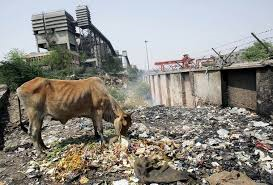
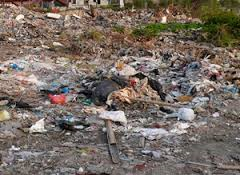
It is caused when humans introduce harmful objects, chemicals or substances, directly or indirectly into the soil in a way that causes harm to other living things or destroys soil or water ecosystems.

The main reason why the soil becomes contaminated is due to the presence of man-made waste. The waste produced from nature itself such as dead plants, carcasses of animals and rotten fruits and vegetables only adds to the fertility of the soil. However, our waste products are full of chemicals that are not originally found in nature and lead to soil pollution.

MAIN CAUSES OF SOIL POLLUTION
  • Industrial Activity
  • Agricultural Activities
  • Waste Disposal
  • Accidental Oil Spills
  • Acid Rain: Acid rain is caused when pollutants present in the air mixes up with the rain and fall back on the ground. The polluted water could dissolve away some of the important nutrients found in soil and change the structure of the soil.

EFFECTS OF SOIL POLLUTION
  • Effect on Health of Humans
  • Effect on Growth of Plants
  • Decreased Soil Fertility
  • Toxic Dust
  • Changes in Soil Structure


For more information:
http://www.conserve-energy-future.com/causes-and-effects-of-soil-pollution.php


Environmental Pollution & Its Effects - Noise Pollution

Sound is essential to our daily lives, but NOISE is not.

Noise is generally unwanted sound, or sound which produces unpleasant effects and discomfort on the ears, e.g. vehicle horns, loudspeakers etc. 

NOISE POLLUTION AFFECTS BOTH HEALTH AND BEHAVIOR. Noise pollution can cause hypertension, cardiovascular issues, high stress levels, tinnitus, hearing problems, trouble communicating, sleeping disorder, and other harmful effects.  Sadly noise also has a huge effect on pets – making them fearful and or more aggressive in households where there is constant noise.

CAUSES OF NOISE POLLUTION
1. Industrialization - big machines, compressors, generators, exhaust fans, grinding mills etc.
2. Poor Urban Planning – Leads to congested houses, large family’s sharing small spaces which lead to frequent fights over basic amenities, parking etc. – this noise pollution disrupts the environment and society.
3. Social Events: Noise is at its peak in most of the social events e.g. marriages, parties, pub, disc or place of worship.
4. Transportation: Large numbers of vehicles on roads, aero planes/helicopters flying over houses, underground trains, all produce heavy noise.
5. Construction Activities - mining, construction of bridges, dams, buildings, stations, roads etc. takes place in almost every part of the world on an on going basis - too noisy.
6. Household- household gadgets such as mixers, grinders, pressure cooker, vacuum cleaners, washing machines, dryers, air conditioners, music sound systems, TV’s etc.
7. Household animal – constant barking.

EFFECTS OF NOISE ON WILDLIFE
Wildlife populations around the globe continue to diminish in size, due to the impacts of human encroachment and environmental pollution.  Human-induced noise pollution is one of many factors contributing to the depletion of wildlife populations.

STUDIES PERFORMED INDICATE:
  • Hearing loss, due to high noise levels
  • loss of habitat and territory
  • loss of food supply
  • behavioural changes in mating predation and migration
  • changes in interspecies relationships
  • masking, which is the inability to hear important environmental cues and animal signals
  • increased heart rate and respiration and general stress reaction
  • Altered predator-prey balance, increased competition for food and shelter


Sources:
http://www.naturesounds.org/conservENW.html
http://www.conserve-energy-future.com/causes-and-effects-of-noise-pollution.php


Environmental Pollution & It's Effects - Water Pollution

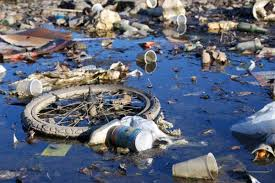
We, Humans are continuously polluting the water on a large scale by disposing our garbage, household waste, cleaning agents and toxic chemicals into the water.
  • As well as industrial waste products that are continuously being released into lakes, rivers and other water bodies.  This is destroying our marine life and other water bodies.   
  • In many rural areas one can still find people bathing and cooking in the same water, making it incredibly filthy.
  • Acid rain further adds to water pollution in the water.
  • Water pollution can also indirectly occur as an offshoot of soil pollution – through surface runoff and leaching to groundwater.
  • Thermal pollution* and the depletion of dissolved oxygen aggravate the already worsened condition of the water bodies.
  • Thermal pollution is the degradation of the quality of water caused by the dumping of heated gases or heated wastewater often from power plants and industrial manufacturer into the water.  A rise in the temperature of rivers and lakes can threaten plants and animals living in it.(Thermal pollution in the air can affect the weather)

WHAT CAN WE DO TO REDUCE WATER POLLUTION?

There are many things that we can do to help prevent water pollution of rivers and lakes as well as groundwater and drinking water by following some simple guidelines in your everyday life.

  • DO NOT pour fat from cooking or any other type of fat, oil, or grease down the sink.  Keep a “fat jar” under the sink to collect the fat and discard in the solid waste when full.
  • DO NOT dispose of household chemicals or cleaning agents down the sink or toilet
  • DO NOT flush pills, liquid or powder medications or drugs down the toilet. 
  • Avoid using the toilet as a wastebasket.  Most tissues, wrappers, dust cloths, and other paper goods should be properly discarded in a wastebasket.  The fiber reinforced cleaning products that have become popular should never be discarded in the toilet.
  • Run the dishwasher or clothes washer only when you have a full load.  This conserves electricity and water.
  • Use environmentally friendly household products - washing powder, household cleaning agents and toiletries.
  • Use the minimum amount of detergent and/or bleach when you are washing clothes or dishes.  Use only phosphate free soaps and detergents.
  • Minimize the use of pesticides, herbicides, fertilizers. This will prevent runoffs of the material into nearby water sources.
  • DO NOT dispose of these chemicals, motor oil, or other automotive fluids into the sanitary sewer or storm sewer systems.  Both of them end at the river.
  • Conserve water by turning off the tap when running water is not necessary. This helps prevent water shortages and reduces the amount of contaminated water that needs treatment.
Don’t throw litter into rivers, lakes or oceans. Help clean up any litter you see on beaches or in rivers and lakes, make sure it is safe to collect the litter and put it in a nearby dustbin.

REMEMBER: Recycle and dispose of all trash properly. Never flush non-degradable products -- such as disposable diapers or plastic tampon applicators -- down the toilet. They can damage the sewage treatment process and end up littering beaches and waters. And make sure to properly dispose of all pet waste from your property to keep it out of storm drains and water supplies.

Use Native plants since they need less water, are more tolerant of drought conditions, cost less to maintain and provide habitat for birds and butterflies. Apply natural fertilizers and soil conditioners, such as compost, peat, rotted manure, and bone meal to stimulate plant growth and retain soil moisture. You can create your own compost; compost bins are widely available for purchase,

WATER IS ONE OF THE WORLD'S MOST IMPORTANT RESOURCES.
Let us all try very hard to do our part to help put a STOP to water pollution.  By making small simple changes as mentioned above can make a huge difference.

One more thing, it is important we speak up against industries that are contributing to the destruction of our streams, rivers, and beaches.  Every action we take makes a difference.
Be an activist. We should educate ourselves about the water issues in our community.

                  “Just because it disappears, doesn’t mean it goes away”
Source:

http://www.simsbury-ct.gov/water-pollution-control/pages/ten-things-you-can-do-to-reduce-water-pollution
http://www.water-pollution.org.uk/preventingyou.html


Environmental Pollution and Its Effects - Air Pollution

One of the greatest problems that the world is facing today at an alarming rate is that of “Environmental pollution”.  Environmental pollution consists of five basic types of pollution:  Air, water, soil, noise and light.

AIR POLLUTION

Air pollution is by far the most harmful form of pollution in our environment.
  • Air pollution is caused by the injurious smoke emitted by cars, buses, trucks, trains, and factories, namely sulphur dioxide, carbon monoxide and nitrogen oxides.
  • Even smoke from burning leaves and cigarettes are harmful to the environment causing a lot of damage to man and the atmosphere. Evidence of increasing air pollution is seen in lung cancer, asthma, allergies, and various breathing problems.
  • Along with severe and irreparable damage to flora and fauna.
  • Even the most natural phenomenon of migratory birds has been hampered, with severe air pollution preventing them from reaching their seasonal metropolitan destinations of centuries.
     
WHAT CAN WE DO TO HELP REDUCE AIR POLLUTION?
Every time we drive to school, use our heater or air conditioner, clean our windows, or even style our hair, we make choices that affect air pollution.

A FEW STEPS WE CAN TAKE TO HELP REDUCE AIR POLLUTION:
  • Conserve energy – remember to turn off lights, computers, and electric appliances when not in use.
  • Use energy efficient light bulbs and appliances.
  • Participate in your local utility’s energy conservation programs.
  • Limit driving by carpooling, using public transportation, biking and walking.
  • Combine errands for fewer trips.
  • Keep your automobile well-tuned and maintained. Follow the manufacturer’s instructions on routine maintenance, such as changing the oil and filters, and checking tire pressure and wheel alignment.
  • Avoid excessive idling of your automobile.
  • Use electric or hand-powered lawn care equipment.
  • Be careful not to spill gasoline when filling up your car or gasoline powered lawn and garden equipment.
  • Run dishwashers and clothes washers only when full.
  • Choose environmentally friendly cleaners.
  • Use water-based or solvent free paints whenever possible and buy products that say "low VOC".
  • Seal containers of household cleaners, workshop chemicals and solvents, and garden chemicals to prevent volatile organic compounds from evaporating into the air.
Source:
http://des.nh.gov/organization/divisions/air/tsb/ams/aqmdp/share.htm
http://www.uccee.org/Environmental_Pollution.html